Awaab's Law: Important changes for landlords in 2025
Key dates:
- October 2025: Damp and mould regulations begin
- 2026: Extended to include additional hazards
- 2027: Full implementation across all safety areas
The government has just last week revealed when Awaab’s Law will come into force, and while it’s starting with social housing, it’s something all landlords should have on their radar. These new rules will set strict timelines for dealing with property maintenance issues – and we think it’s going to shape the future of property management across the board…
What is Awaab’s Law?
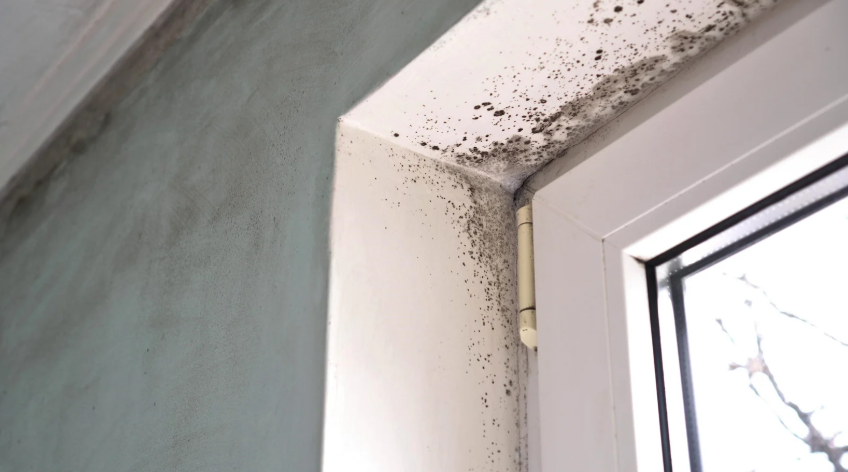
In 2020, two-year-old Awaab Ishak tragically died from a respiratory condition caused by prolonged exposure to mould in his family’s rented home. This heartbreaking case led to the creation of Awaab’s Law, which puts strict rules in place about how quickly landlords must respond to and fix dangerous conditions in their properties.
The law sets specific timeframes for landlords to investigate and repair issues that could harm tenants’ health – things like damp, mould, and other safety hazards. While right now these rules are being introduced for social housing, they’re likely to become the gold standard for all rental properties.
How will the law be introduced?
Rather than bringing in all the changes at once, the government is rolling them out in stages. Here’s what’s happening and when:
October 2025 – Dealing with damp and mould
The law starts with the biggest concern – damp and mould in properties. Landlords will need to:
- Fix damp and mould problems quickly when they could harm tenants’ health
- Deal with emergency repairs within 24 hours
- Keep clear records of all maintenance work and when it was done
2026 – Adding more safety checks
The next stage brings in rules about other important safety issues:
- Making sure homes aren’t too hot or too cold
- Fixing things that could cause falls (like broken stairs or loose railings)
- Checking the building is structurally sound
- Making sure fire and electrical safety is up to standard
- Keeping properties clean and hygienic
2027 – The final stage
By 2027, the law will cover every aspect of property safety, with clear rules about:
- All types of property hazards
- Regular safety checks
- What happens if rules aren’t followed
Why should private landlords care?
Even though these rules are starting with social housing, they’ll likely become the standard for all rental properties eventually. Getting ahead of these changes now makes good business sense – it’s always better (and usually cheaper) to fix small problems before they become big ones.
Plus, tenants are becoming more aware of their rights when it comes to property maintenance. Having good maintenance systems in place helps protect your investment and keeps your tenants happy.
How we can help
At Humphreys, we already have a maintenance system in place. Our team:
- Checks properties regularly
- Responds quickly when issues come up
- Keeps detailed records of all work done
- Provides 24/7 emergency contractors
- Makes sure everything meets current regulations
We know property maintenance can be time-consuming and sometimes stressful. That’s why we handle everything for you, making sure your property is well-maintained and meeting all the right standards.
Want to take the hassle out of property maintenance? Get in touch with our team today – we’d love to help.
Website designed & built by Daydream Designs. All content © 2021 Humphreys. Humphreys of Chester Ltd 17-19 Lower Bridge Street Chester CH1 1RS Company registration number: 06813699 Company VAT number:316488093